What is Avian Influenza? Symptoms, Risks, and Prevention Methods

İşte metninin teknik terminolojiye ve profesyonel kullanıma uygun çevirisi:
The global poultry sector holds strategic importance for both food security and economic sustainability. However, this sector remains under the constant threat of biological agents. Avian influenza, the foremost of these threats, is a global phenomenon that directly impacts not only domestic poultry but also wildlife and human health.
What is Avian Influenza? The Microbiological Structure of the Disease
When examining the question "What is avian influenza?" from a scientific perspective, it is a highly contagious and often fatal disease caused by Influenza A viruses belonging to the Orthomyxoviridae family. These viruses are classified into subtypes based on the Hemagglutinin (H) and Neuraminidase (N) surface proteins. The most feared serotypes in poultry are H5 and H7.
The primary natural reservoir of the virus consists of migratory and wild waterfowl (ducks, geese, swans). These animals typically carry the disease asymptomatically; however, the consequences are devastating when transmitted to domestic poultry (chickens, turkeys, ducks). What causes avian influenza? At the core of this issue is the spillover of the virus from wildlife into domestic habitats, where it rapidly mutates by exploiting biosecurity vulnerabilities. Our country, situated directly on major migratory flyways, is constantly at the epicenter of this risk.

How is Avian Influenza Transmitted? Transmission Routes and Risk Factors
The introduction of an infection into a poultry operation is generally from an external source. So, how is avian influenza transmitted?
1. Direct Contact
The feces, as well as nasal and ocular discharges of infected wild birds, shed the virus. Contact of domestic chickens or turkeys with these materials is the most direct route for the virus to enter the poultry house. Free-range poultry operations, in particular, constitute the highest risk group in this regard.
2. Indirect Contact (Fomites / Physical Carriers)
Extracellularly, viruses exist in a metabolically inactive particulate form known as a virion. This form enables the virus to be transported in the environment and initiate an infection upon reaching a new host cell.
Farm Personnel: Footwear, contaminated clothing, and un-sanitized hands.
Equipment: Shared feeders, drinkers, or transport crates.
Vehicles: The tires of feed trucks or personnel vehicles traveling from one facility to another.
3. Vectors and Rodents
Mice, rats, and even certain insects can mechanically transport the virus from one house to another. The entry of wild sparrows or pigeons residing around the facility into the feeders is one of the most dangerous elements completing the chain of transmission.
4. Movement of Infected Animals
The transport of infected animals or uncontrolled animal movements can lead to the rapid spread of the avian influenza virus between flocks and production zones.
What are the Clinical Signs of Avian Influenza?
The incubation period of the disease is generally very short, typically lasting only a few days. Therefore, close observation is a producer's most powerful weapon. The clinical signs of avian influenza present two distinct clinical pictures depending on the severity (pathogenicity) of the disease.

Highly Pathogenic Avian Influenza (HPAI) Clinical Picture
In this form, the disease progresses so rapidly that there is often no time to observe clinical signs.
Sudden Deaths: While everything may appear normal in the flock during the evening, mortality rates exceeding 50% can be observed by the morning.
Physical Changes: Pronounced cyanosis (purplish discoloration), swelling, and hemorrhages occur in the combs and wattles of the birds. Subcutaneous hemorrhages on the legs are prominent.
Respiratory and Digestive: Severe dyspnea (shortness of breath), blood-tinged salivary discharge from the mouth, and bright green-yellow diarrhea.
Low Pathogenic Avian Influenza (LPAI) Clinical Picture
This form generally presents as an "opportunistic" infection and can be easily confused with other diseases.
Clinical Signs in Layers:
Egg Production: A sudden drop in egg yield (in some cases 10-20%, sometimes a complete cessation).
Shell Quality: Eggshells becoming thin, misshapen, or depigmented (loss of color).
General Condition: Presents as anorexia (loss of appetite), ruffled feathers, and lethargy.

Clinical Signs of Avian Influenza in Broilers:
Respiratory System Signs: Sneezing, nasal discharge, coughing, and mild respiratory distress (dyspnea) may be observed.
Decrease in Live Weight Gain: Feed consumption decreases during the infection, retarding growth.
Deterioration of Feed Conversion Ratio (FCR): FCR worsens due to metabolic stress and reduced appetite.
Disruption of Flock Uniformity: Weight variation increases due to birds being affected by the infection to varying degrees.
Risk of Secondary Infections: Complications can develop, particularly with E. coli, Mycoplasma, or other respiratory pathogens.
Decline in Carcass Quality: Slaughterhouse condemnation rates may increase due to respiratory tract lesions.
Low Mortality: Generally remains at low levels but can escalate in cases of mixed infections (co-infections).
Is Avian Influenza Transmitted to Humans? The Public Health Dimension
The primary concern for consumers and producers alike is: Can avian influenza be transmitted to humans? The answer is yes, but this depends on specific conditions. The virus must overcome what is known as the "species barrier." Generally, individuals who have direct contact with infected animals, or who perform slaughtering or husbandry practices without using personal protective equipment (PPE) (such as masks and gloves), are at risk.
Is avian influenza fatal?
It can cause a much more severe clinical picture in humans compared to seasonal influenza. Certain subtypes, such as H5N1, can cause severe lung damage, posing a life-threatening risk. However, this situation is observed as "sporadic"—meaning isolated cases—rather than a widespread societal pandemic.
How Does Avian Influenza Pass? Is a Cure for Avian Influenza Possible?
To prevent economic losses, many producers ask questions like "how is avian influenza cured?" or "how many days does it take to pass?" However, at this point, we must remain realistic and scientific.
The Process in Poultry
Avian influenza is a viral disease, and there is no effective medical treatment for poultry. When avian influenza is detected in a flock, a "culling" (or stamping-out) protocol is implemented in accordance with international and national regulations to prevent the spread of the disease to other operations and humans. In other words, the animals are not expected to recover; they are eradicated in a controlled manner. Therefore, the answer to the question "how many days does it take to pass?" is unfortunately negative for poultry; only its spread can be halted.
The Process in Humans
Antiviral drugs are utilized in human cases. If diagnosed early and the patient's immune resistance is adequate, the treatment can be successful. The recovery period generally spans between 10 to 14 days.
Effective Prevention Methods for Your Flocks Against Avian Influenza
Since there is no cure, our sole focus must be on prevention. As Integro Gıda, we recommend building biosecurity upon three main pillars:
Isolation: Isolate your operation from the outside world. A fenced perimeter, locked doors, and ventilation windows covered with wire mesh to prevent the entry of wild birds and rodents are of vital importance.
Traffic Control: Everything entering the facility (feed, water, personnel, equipment) must be strictly monitored. The operation should accept a limited number of visitors. All visitors must absolutely wear dedicated farm clothing and footwear. To protect public health from zoonotic diseases transmitted from animals to humans, and to prevent pathogens carried by humans from entering the facility, all personnel and visitors must take a shower prior to entry.
Sanitation: All small-sized equipment and items that are not strictly necessary inside should be kept outside the facility. Materials that must enter the operation must be properly disinfected by passing them through UV sterilization devices or, where this is not feasible, by using disinfectant sprays. Vehicle entry into the premises must be restricted as much as possible. Vehicles that absolutely must enter—such as feed trucks, egg collection vehicles, tractors, and loaders—must pass through vehicle disinfection pools (wheel dips) and spray systems before being admitted to the site. In this context, solutions that integrate these systems without requiring vehicles to enter the inner facility should be preferred. For instance, producers should lean towards innovative investments such as positioning egg storage rooms on the outer perimeter of the facility so vehicles can load eggs without entering, utilizing conveyor belt systems for egg transport, and employing externally connected remote feed transfer equipment that eliminates the need for feed trucks to enter the farm boundaries.

The Role of Nutrition and the Immune System
A flock with a robust immune system is more resilient against disease challenges. Improvements made in nutritional strategies form the foundation of flock health.
Do Not Neglect Vitamins: Vitamins A, D, E, and C, in particular, support mucosal immunity.
Probiotics and Prebiotics: Gut health accounts for 70% of overall immunity.
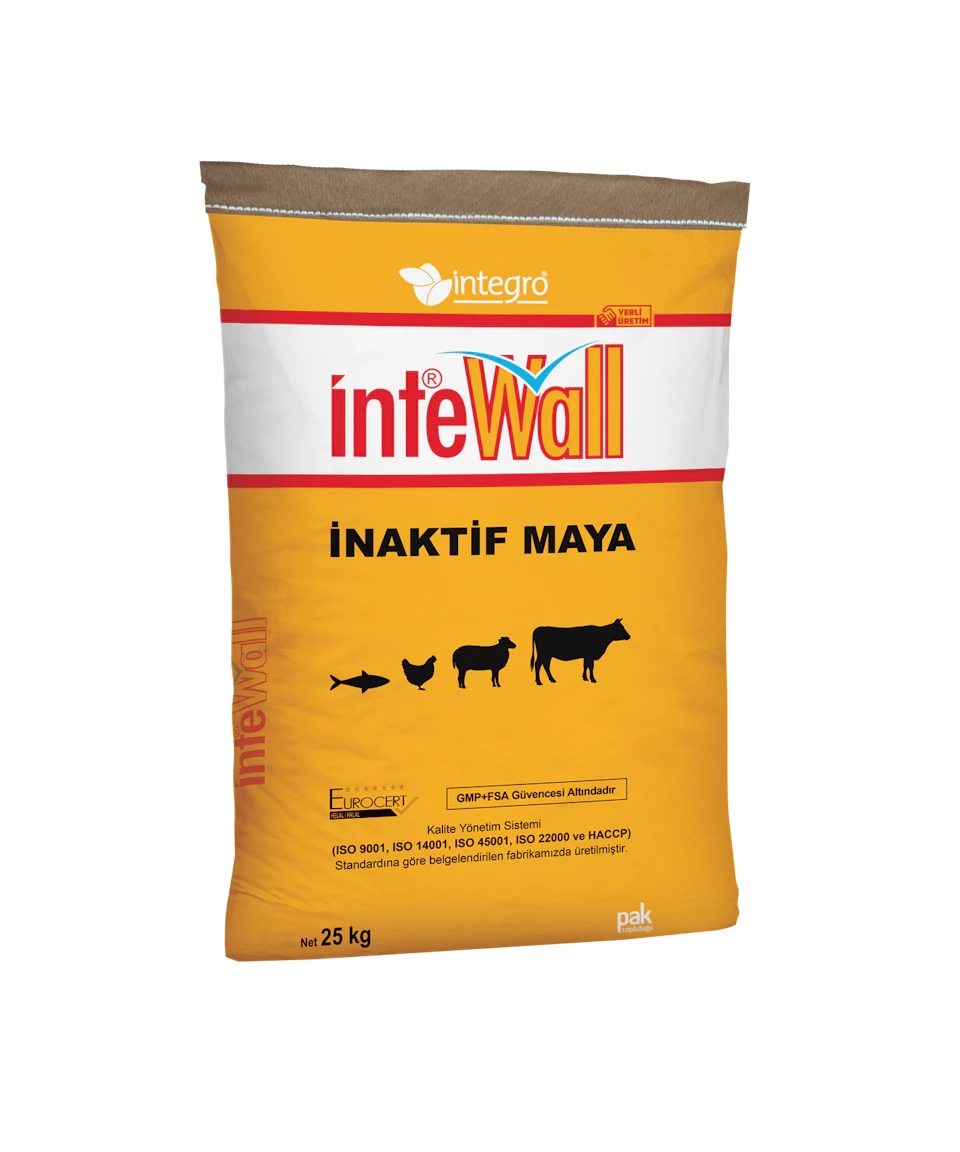
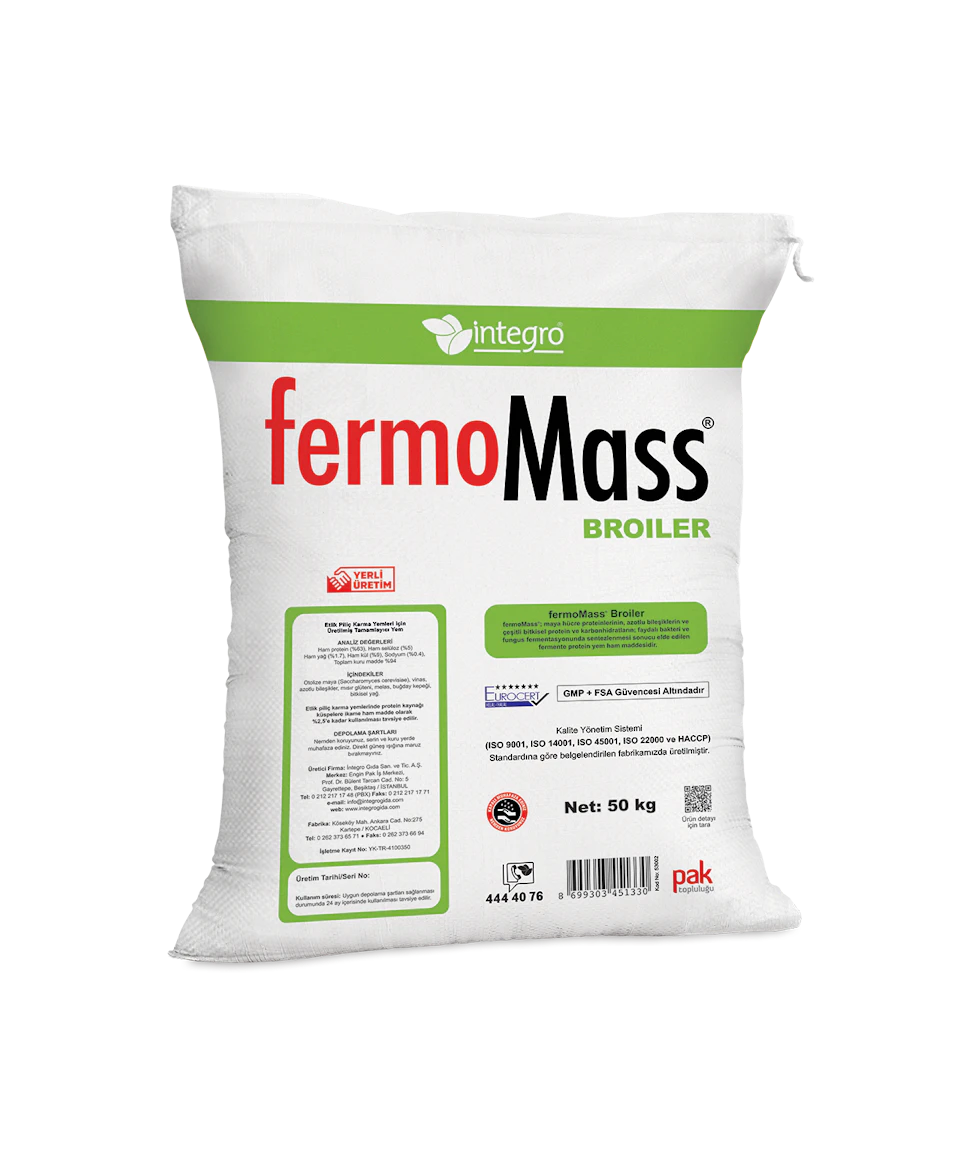
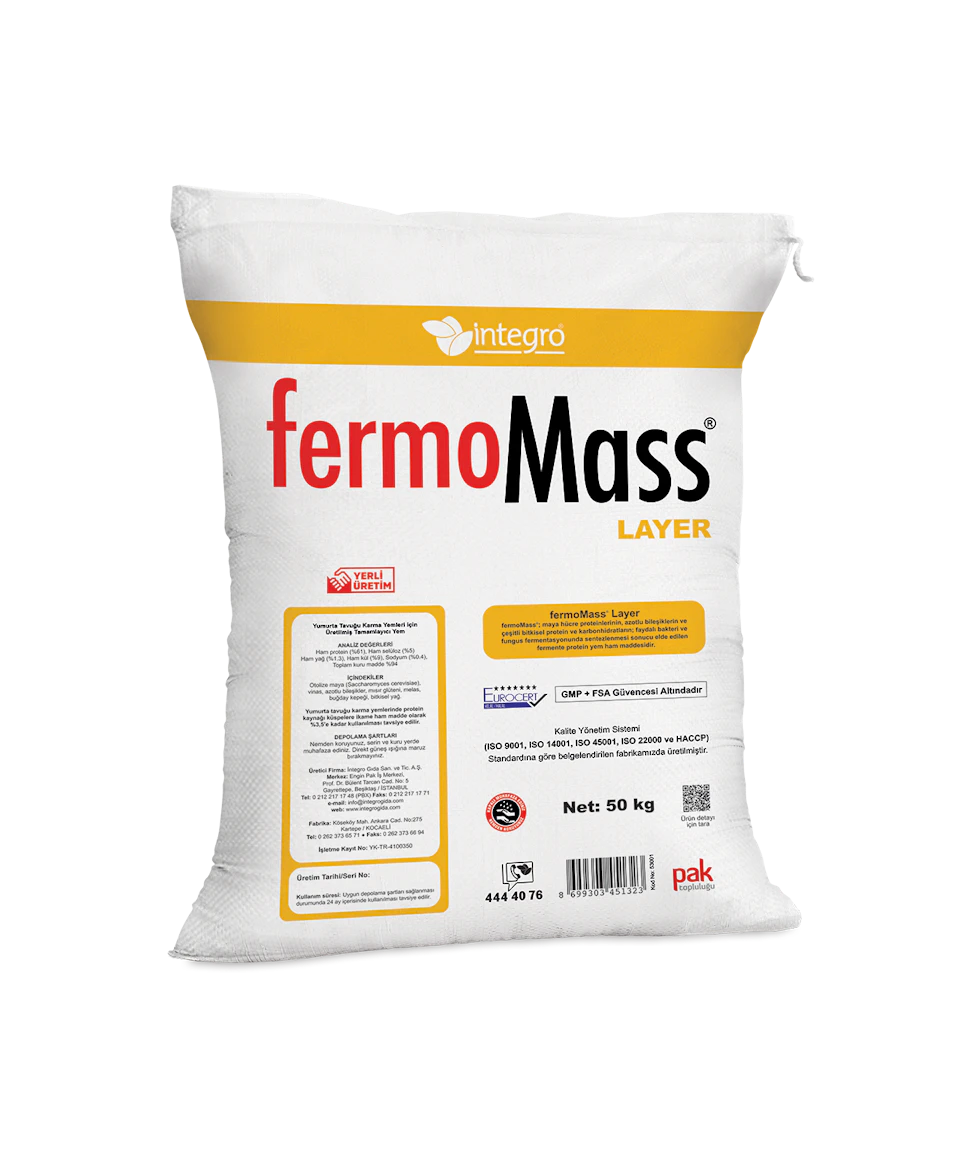
Highly Beneficial for Your Poultry: FermoMass and inteWall
Contact Us
Enhanced Immunity, Gut Health, and Development with β-Glukan and MOS Content
β-Glukan are natural immunomodulators that stimulate the body's defense mechanisms.
Macrophage Activation: By binding to receptors on the surface of immune cells (macrophages, neutrophils), β-Glukan keep them on "high alert."
Rapid Response: When the body encounters an actual pathogen, it mounts a much faster and more effective antibody response.
MOS acts as a prebiotic that maintains the balance of the gut microbiota, but it possesses its own unique "decoy" mechanism.
Pathogen Binding: Harmful bacteria such as E. coli and Salmonella bind to MOS molecules instead of adhering to the intestinal wall. Consequently, they are excreted from the body before they can colonize.
Beneficial Bacteria Support: It creates a favorable environment for the proliferation of friendly bacteria such as Lactobacillus and Bifidobacterium.
Villi Structure Preservation: It ensures the health and integrity of the "villi" (microscopic finger-like projections), which maximize the absorption surface area within the intestines.
Mycotoxin Control: Molds and toxins in feed compromise the immune system, leaving animals vulnerable and opening the door to diseases. Right at this critical juncture, Integro Gıda’s high-quality toxin binder solutions, developed through advanced technology, come into play. Thanks to their superior raw material quality, robust binding capacity, and scientifically backed formulations, these products effectively control the mycotoxin risks potentially present in feed. In doing so, they contribute to the protection of animal health, sustainably support performance, and enable producers to operate with complete confidence. Developed with Integro’s innovative approach, these solutions aim to simultaneously elevate efficiency and quality by establishing a reliable shield of protection in modern livestock operations.